
Cabinet Handles Industrial
-
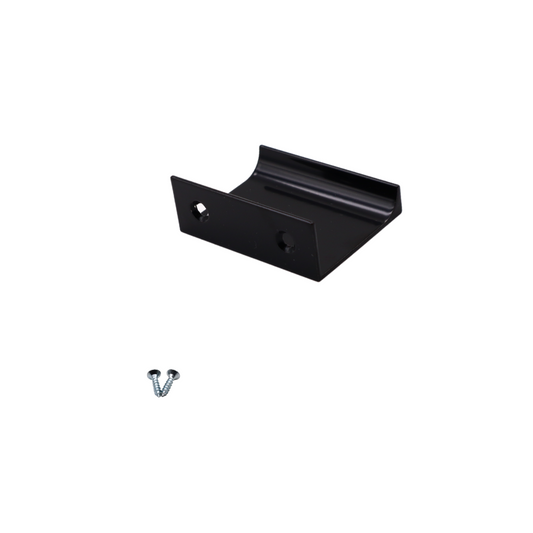
Edge Grip Profile Handle 32mm (52mm total length) - BlackRegular price £2.56Unit price / perRegular priceSale price £2.56
-
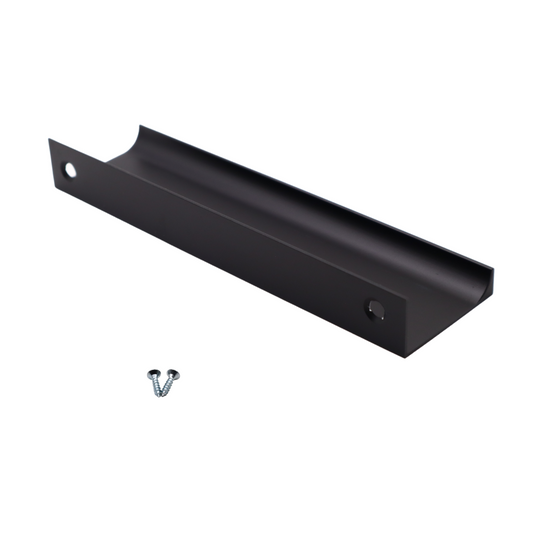
Edge Grip Profile Handle 128mm (148mm total length) - BlackRegular price £3.99Unit price / perRegular priceSale price £3.99
-
Cabinet Knob - SatinRegular price £1.61Unit price / perRegular priceSale price £1.61
-
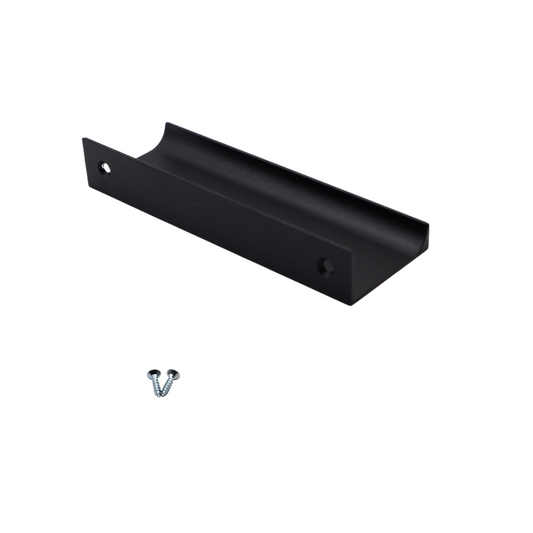
Edge Grip Profile Handle 96mm (116mm total length) - BlackRegular price £3.53Unit price / perRegular priceSale price £3.53
-
Round Cabinet Knob - Black MattRegular price £2.68Unit price / perRegular priceSale price £2.68
-
Edge Grip Profile Handle 256mm (276mm total length) - BlackRegular price £5.87Unit price / perRegular priceSale price £5.87
-
Cabinet Knob - AluminumRegular price £1.61Unit price / perRegular priceSale price £1.61
-
Round Crystal Glass Effect Cabinet Knob - Ø35mm - ChromeRegular price £5.50Unit price / perRegular priceSale price £5.50
-
Edge Grip Round Profile Handle 128mm (148mm total length) - Black MattRegular price £5.87Unit price / perRegular priceSale price £5.87
-
Edge Grip UFO Profile Handle 128mm (148mm total length) - Black MattRegular price £7.13Unit price / perRegular priceSale price £7.13





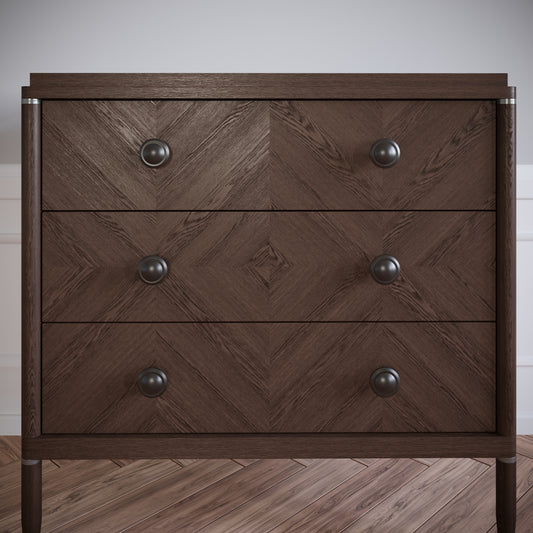

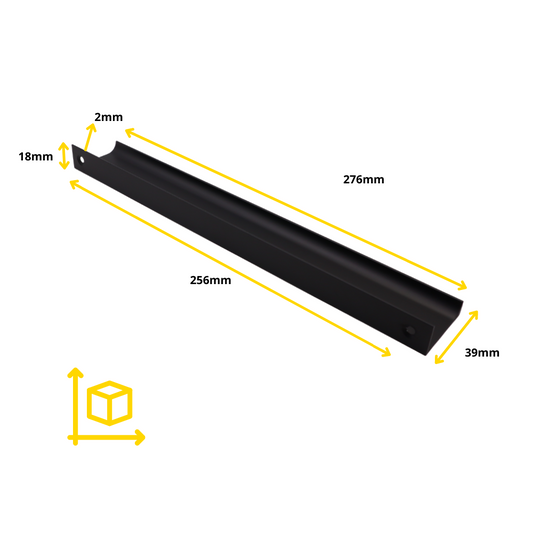

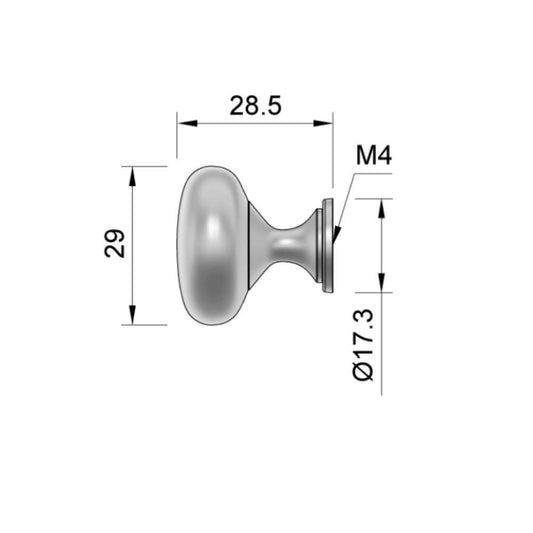

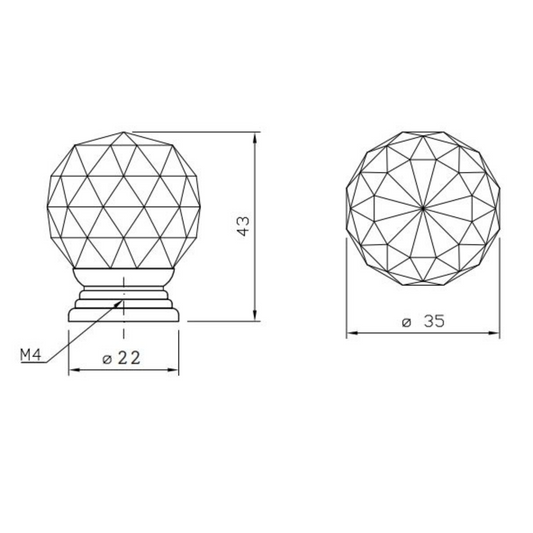


Industrial cabinet handles are striking, heavy-duty fittings for cabinets, drawers and functional doors, with clean edges, visible metal structures and deep matt or metallic finishes. In modern furniture making and kitchen renovation, discerning designers choose them to combine black industrial kitchen handles with long-lasting mechanics. Pairing pared-back aesthetics with precise dimensions, industrial handles ensure ergonomic handling and reliable force transfer to the carcass hardware.
Industrial handle designs
Industrial fittings come in several designs, each meeting specific structural and aesthetic requirements on the furniture front. Different handle types are used depending on pull force, door panel thickness and the ease of use required.
Bar handles and rod handles
The classic bar handle is the most common design, screwed through the door panel at two fixing points. Its straight profile ensures symmetrical load transfer. While narrower versions such as the TECHNO handle 96mm - Black Matt or 128mm - Black Matt suit cutlery drawers and standard doors, wide drawers need more leverage. Here, models such as the TECHNO handle 320mm - Black Matt or 480mm - Black Matt provide the stability to resist bending.
Edge grips and profile handles
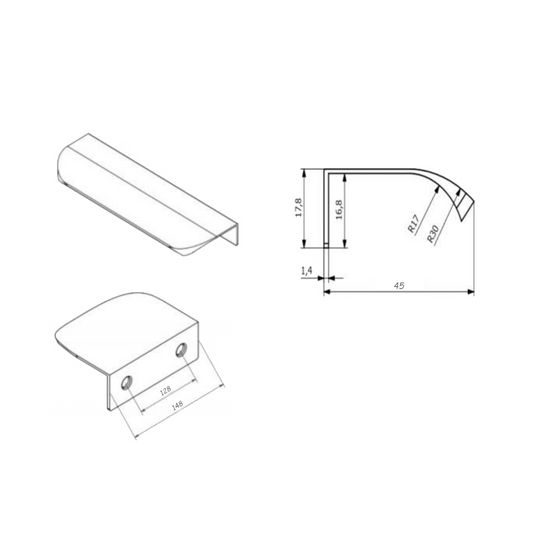
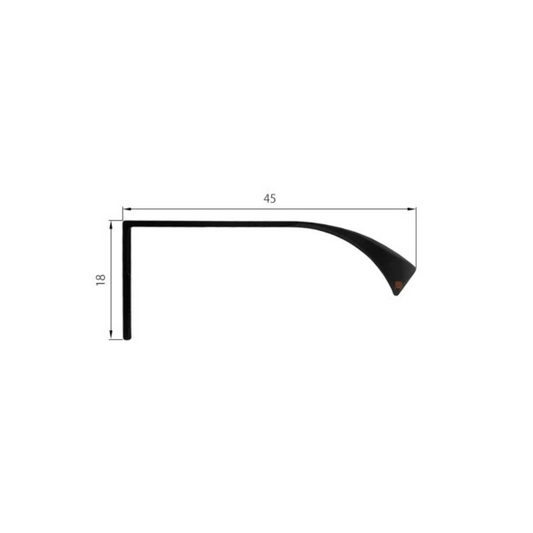
Edge grips are an alternative to a through hole in the front. They are mounted on the top or side edge of the door and fixed from behind. A model such as the Edge Grip Profile Handle 96mm (116mm total length) - Black, in aluminium, keeps the visible face free of drill holes. The rounded 128mm version (148mm total length) in Black Matt gives a comfortably deep grip at 45 mm build height. When planning the carcass, allow for the thickness of the edge profile in the gap between two fronts.
Industrial knobs for single-point fixing
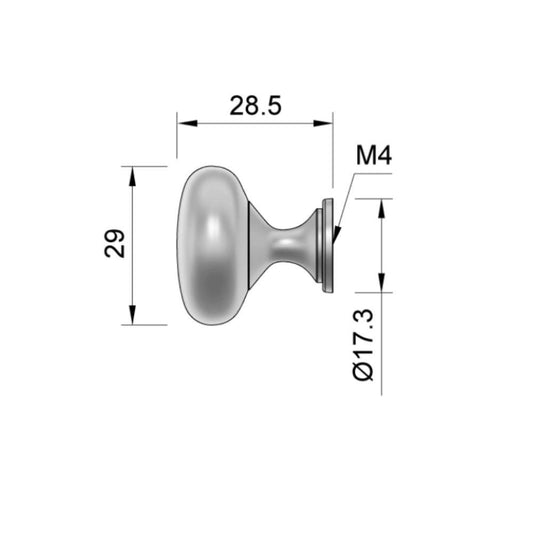
Single-point fixings suit compact doors, narrow drawers or flaps. A fitting such as the black matt ZnAl (zinc-aluminium alloy) knob is mounted with a single screw. At 29 mm high and 31 mm long, it offers a sufficient gripping surface. Alternatives such as the aluminium or satin knob add harmonious material accents in a smaller size.
Standardised hole centres in System 32
Handle positioning is based on the standardised System 32. This 32 mm grid gives standard hole spacing (centre-to-centre distance, or c/c) in industrial furniture production and craft interior fitting. The c/c distance is the exact measurement between the centres of the first and second threaded holes.
Typical grid sizes and where they are used:
- 96 mm centres: Compact standard for small cabinet doors, bathroom furniture or narrow office drawers.
- 128 mm centres: Established standard for kitchen base units and classic front widths, listed under cabinet handles 128 mm.
- 160 mm centres: Versatile mid-size, e.g. the TECHNO handle 160mm - Aluminium (total length 175 mm, width 8 mm, height 28 mm), also in the range 160 mm cabinet handles.
- 192 mm centres: Common on modern kitchen pull-outs; found in the 192 mm cabinet handles category and as the TECHNO handle 192mm - Black Matt.
- 256 mm to 480 mm centres: For large heavy-duty drawers, larder units or full-height cabinet doors; compare 256 mm cabinet handles and the TECHNO handle 256mm - Black Matt.
When replacing handles on kitchens or chests of drawers, measure the hole spacing to the exact millimetre with a calliper to avoid mis-drilled holes in the panel.
Material properties and finishing techniques
Industrial cabinet handles are made from materials that withstand high tensile and shear forces. The choice of material determines the weight, dimensional stability and feel of the handle.
Zinc-aluminium casting (ZnAl)
Zinc-aluminium alloys have a dense microstructure and high dimensional accuracy. Cast handles have a high mass, which gives a quality feel. The TECHNO series uses this material to keep slim profiles (8 mm web width, 28 mm projection) highly warp-resistant. More versions can be found under metal cabinet handles.
Aluminium profiles
Aluminium offers a favourable ratio of tensile strength to weight. It is easy on the hinges of wide cabinet doors and is unaffected by moisture. Models from the aluminium cabinet handles range therefore suit wet areas and sink units well.
Surface technology: powder coating and anodising
The characteristic industrial-style finish is created mainly by two processes:
- Electrostatic powder coating: At around 200 °C the coating powder is thermally fused to the base body. The result is an impact-resistant, abrasion-resistant surface with a fine matt texture, as found in the black matt cabinet handles category.
- Anodising: On aluminium handles such as the TECHNO handle 128mm - Aluminium, electrolytic oxidation hardens the top metal layer. This layer does not flake off and gives lasting protection against hand perspiration.
Uses in kitchens, living spaces and commercial projects
On a door front, an industrial metal handle works like the reliable handwheel of a machine tool: it takes the pull without giving way and passes it straight to the carcass mechanism.
Kitchen and larder
In the kitchen, fittings are constantly exposed to steam, grease and changing temperatures. Fittings from the kitchen cabinet handles range must therefore be easy to clean and stand far enough off the front (usually 25 mm to 30 mm) that fingers do not touch the door surface even when grabbing quickly. Combined with modern pull-out systems such as undermount drawer runners or damped systems from the Soft-Close drawer runners category, the handles ensure ergonomic opening under heavy loads.
Living areas, sideboards and wall units
In living areas, matt black or satin handles create appealing contrasts on real wood veneers (such as oak) or concrete-effect finishes. Clean-lined schemes work ideally with items from the modern cabinet handles collection or anthracite cabinet handles. On large cabinet doors they work harmoniously with high-quality hinges, for example cup hinges with damping (Soft Close).
Professional fitting and tools
To avoid breakout on coated chipboard or MDF panels, fitting handles calls for a structured approach and the right tools.
Tool kit
- Cordless drill/driver with variable speed control
- Brad-point wood drill bits (Ø 4.0 mm to Ø 4.5 mm for M4 screws)
- Manual screwdriver with matching profile (PZ2 or slotted)
- Drilling jig, marking gauge or try square
- Backing board / sacrificial timber and G-clamps with protective jaws
Fitting steps for bar handles
- Determine the position: Mark the drilling points precisely, with the same distance from the outer edge on every front.
- Clamp a backing board: Firmly clamp an offcut to the back of the panel at the exit point. This stops the melamine resin chipping as the drill breaks through.
- Drill the hole: Drill at high speed with moderate pressure. A 4.5 mm drill is recommended for metric M4 screws; this slight clearance makes it easier to align two screws without strain on handles such as the TECHNO handle 256mm - Aluminium.
- Screw fixing: Insert the M4 screw (e.g. M4 x 22 mm or M4 x 25 mm) from inside the cabinet and start it by hand in the handle's blind threaded hole. Always tighten with a manual screwdriver to avoid stripping the internal thread in cast zinc or aluminium.
Related fitting categories for complete furniture projects
In addition to industrial handles, the range includes further versions and matching joining hardware for furniture making:
- Square stainless steel handles – Crisp-edged stainless fittings for purist designs.
- Black metal cabinet handles – Dark metal fittings in distinct design styles.
- Round cabinet handles – Cylindrical and rounded handle solutions for softer contours.
- Satin cabinet handles – Silk-matt surfaces with subtle light reflection.
- Cup hinges / cabinet hinges – Hinge systems for full overlay, half overlay and inset cabinet doors.
- Wood screws and furniture screws – Fixings for carcass assembly and fitting edge grips.
- Adjustable plinth feet – Height-adjustable cabinet legs for precisely levelling cabinet carcasses.
Frequently asked questions
Which screws do I need to fit industrial cabinet handles?
Bar handles and knobs normally use metric M4 machine screws. The required length is the front thickness (usually 16 mm, 18 mm or 19 mm) plus the handle's thread depth (usually 5 mm to 8 mm). M4 x 25 mm screws are common for 19 mm fronts. Edge grips, by contrast, are fixed from the back with wood screws, typically 3.5 x 16 mm.
How is a handle's hole centre distance (c/c) measured exactly?
The c/c distance is always measured between the centres of the two fixing threads. Standard handles follow System 32 with standardised distances such as 96 mm, 128 mm, 160 mm, 192 mm or 256 mm. Knobs with a single fixing screw have no c/c distance; only the through-hole diameter matters.
How should matt black handles be cared for?
Matt black powder-coated fittings should be cleaned only with a soft cotton or microfibre cloth and lukewarm water with a little mild detergent. Never use abrasive cleaners, scouring sponges or solvent-based cleaners, as they damage the matt finish and leave unsightly shiny patches.
Can edge grips be fitted to any standard door?
Yes, provided the handle's edge size matches the panel thickness (usually 16 mm to 19 mm) and adjacent doors or drawers have a gap of at least 2 mm to 3 mm. Edge grips are screwed on from the back, so the front surface stays undamaged.
Why shouldn't handle screws be tightened with a cordless drill?
Cordless drills often generate high torque, which quickly strips the internal thread of metric M4 threads in aluminium or cast zinc (ZnAl). A stripped thread no longer holds. It is advisable to tighten the screws gently by hand with a screwdriver.