
Discount UK
-
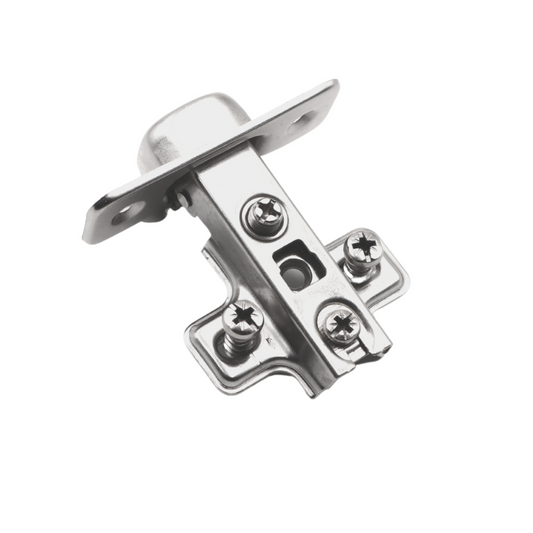
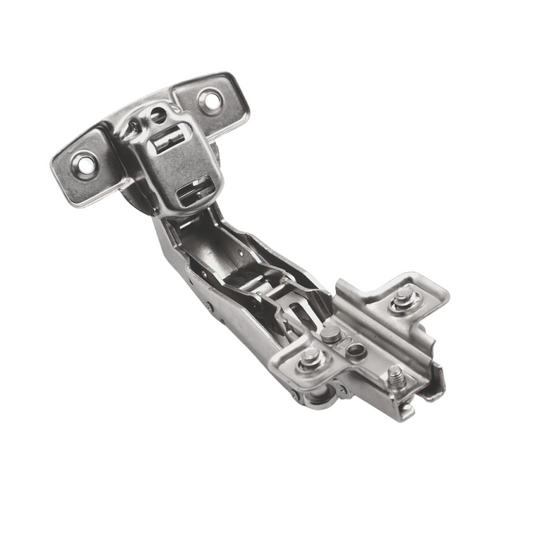
+30º Hinge, H2 Mounting Plate with EURO Screws, Angled DoorsRegular price £0.85Unit price / perRegular priceSale price £0.85
-
+30º Soft-Close Hinge, H2 Mounting Plate, Angled DoorsRegular price £2.78Unit price / perRegular priceSale price £2.78
-
+45º Hinge, H2 Mounting Plate with EURO Screws, Angled DoorsRegular price £0.91Unit price / perRegular priceSale price £0.91
-
+45º Soft-Close Hinge, H2 Mounting Plate with EURO Screws, Angled DoorsRegular price £2.85Unit price / perRegular priceSale price £2.85
-
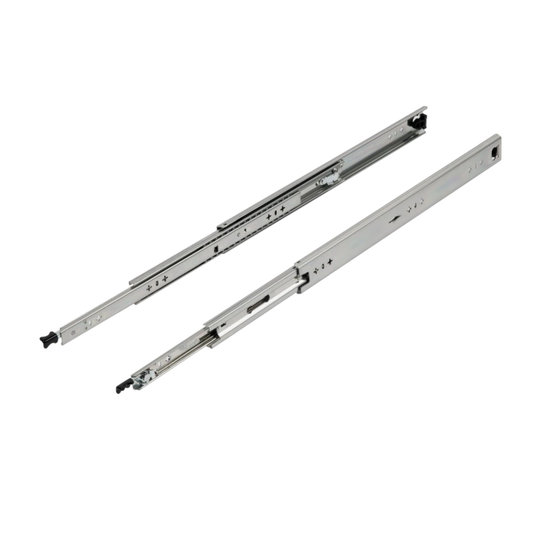
1 Set Ball Bearing Drawer Runners with Lock, H53Regular price From £14.59Unit price / perRegular priceSale price From £14.59
-
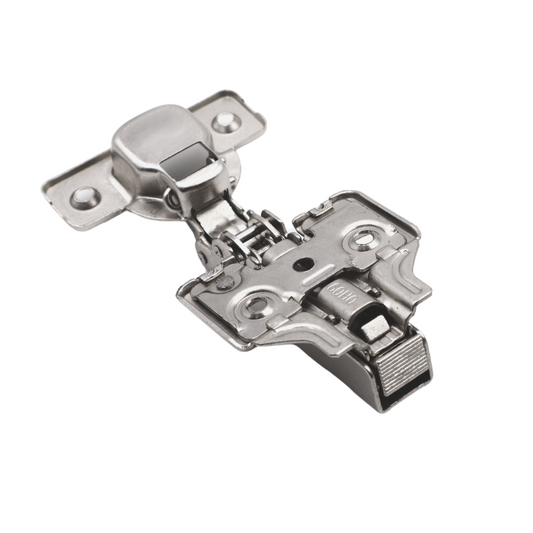
110° Hinge, H0 Mounting Plate with EURO Screws, Overlay DoorsRegular price £0.60Unit price / perRegular priceSale price £0.60
-
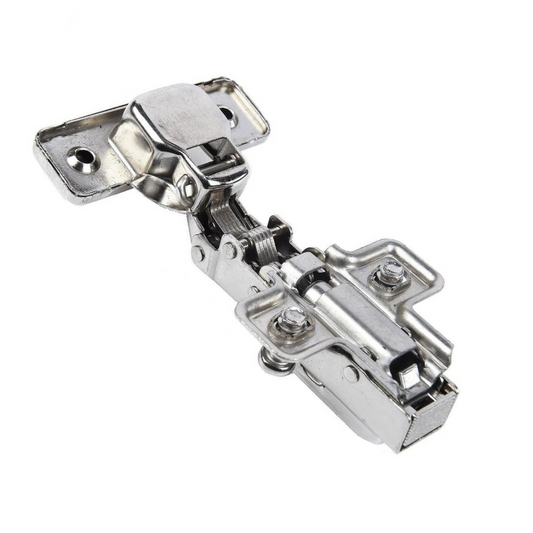
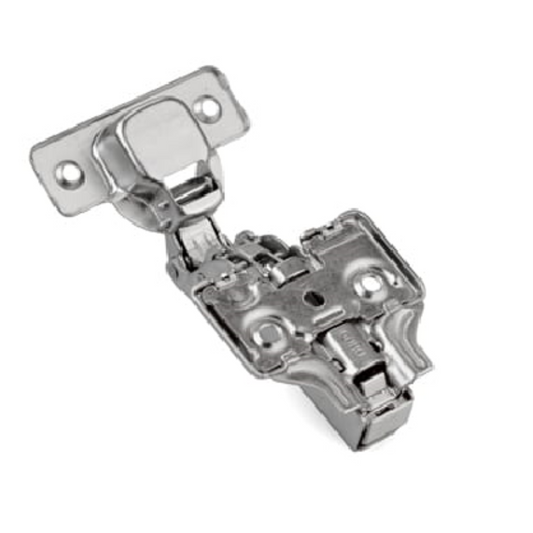
110° Soft-Close Hinge, H0 Mounting Plate with EURO Screws, Overlay DoorsRegular price £1.05Unit price / perRegular priceSale price £1.05
-
110° Soft-Close Hinge, H0 Mounting Plate with EURO Screws, Overlay DoorsRegular price £1.01Unit price / perRegular priceSale price £1.01
-
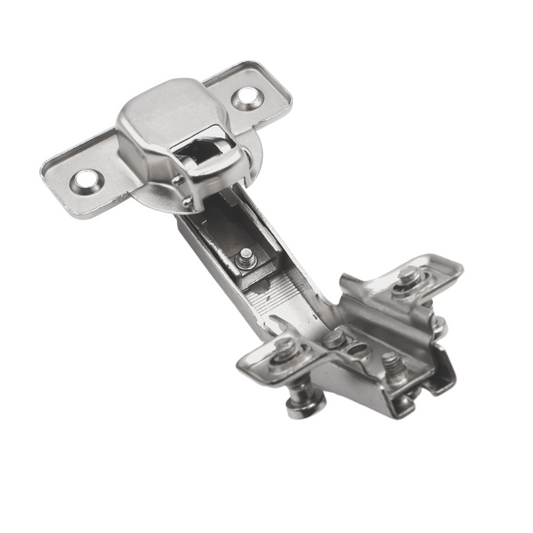
135º Angular Hinge, H2 Mounting Plate with EURO Screws, Corner DoorsRegular price £1.10Unit price / perRegular priceSale price £1.10
-
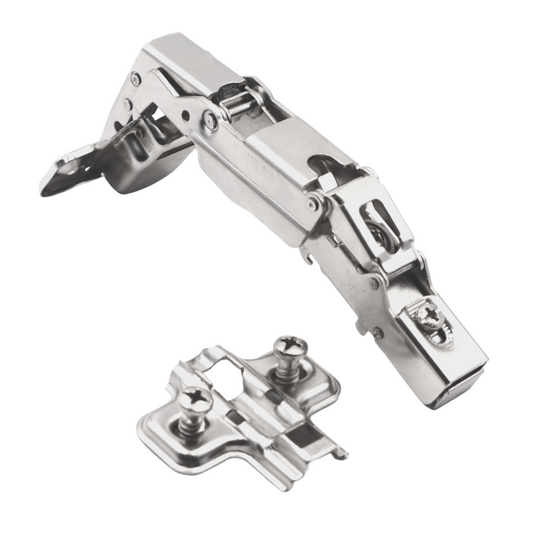
165° Soft-Close Hinge, H2 Mounting Plate with EURO Screws, Overlay DoorsRegular price £4.70Unit price / perRegular priceSale price £4.70
-
165º Hinge, H2 Mounting Plate with EURO Screws, Overlay DoorsRegular price £2.14Unit price / perRegular priceSale price £2.14
-
3D 110° Soft-Close Hinge, H0 Mounting Plate with EURO Screws, Flush DoorsRegular price £1.19Unit price / perRegular priceSale price £1.19
-
3D 110° Soft-Close Hinge, H0 Mounting Plate, Overlay DoorsRegular price £1.62Unit price / perRegular priceSale price £1.62
-
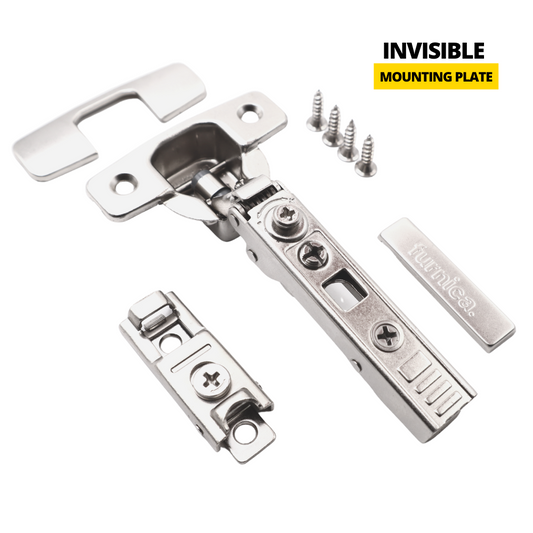
4D 110° Soft-Close Hinge, H0 Invisible Mounting Plate with EURO Screws and Covers, Overlay DoorsRegular price £2.93Unit price / perRegular priceSale price £2.93
-
Furniture Bumper - Ash with Silicone End (Short)Regular price £2.15Unit price / perRegular priceSale price £2.15
-
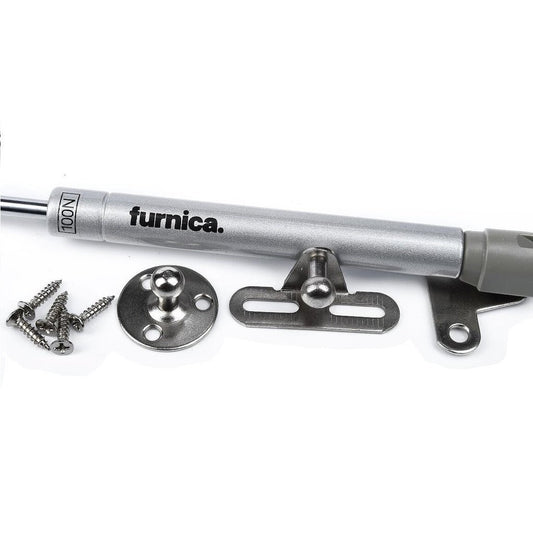
Gas Strut 250mm - 100NRegular price £1.56Unit price / perRegular priceSale price £1.56
-
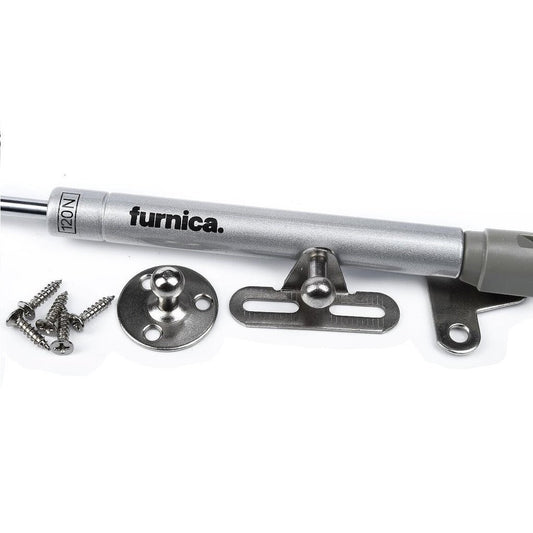
Gas Strut 250mm - 120NRegular price £1.56Unit price / perRegular priceSale price £1.56
-
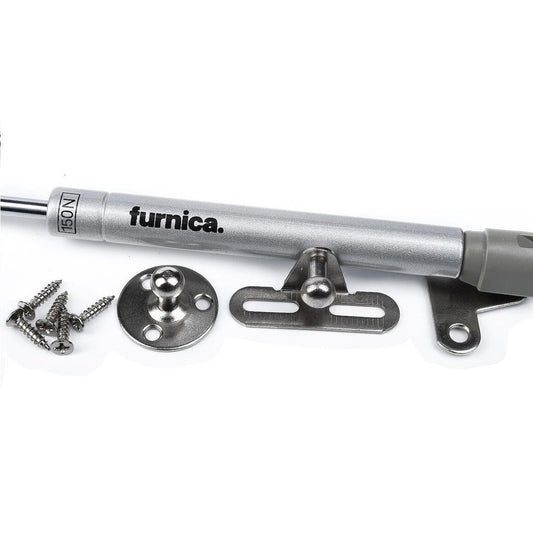
Gas Strut 250mm - 150NRegular price £1.56Unit price / perRegular priceSale price £1.56
-
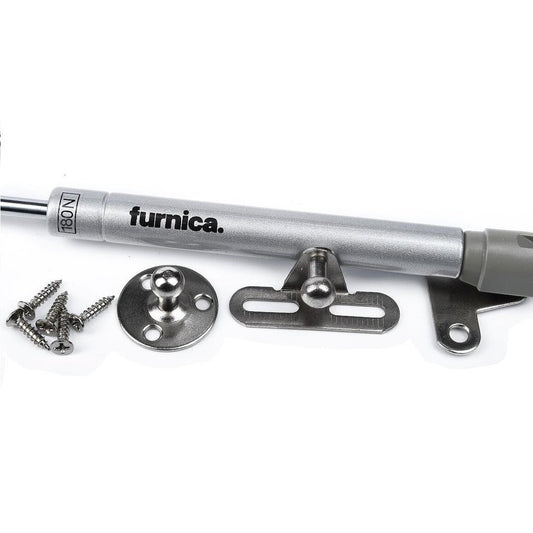
Gas Strut 250mm - 180NRegular price £1.56Unit price / perRegular priceSale price £1.56
-
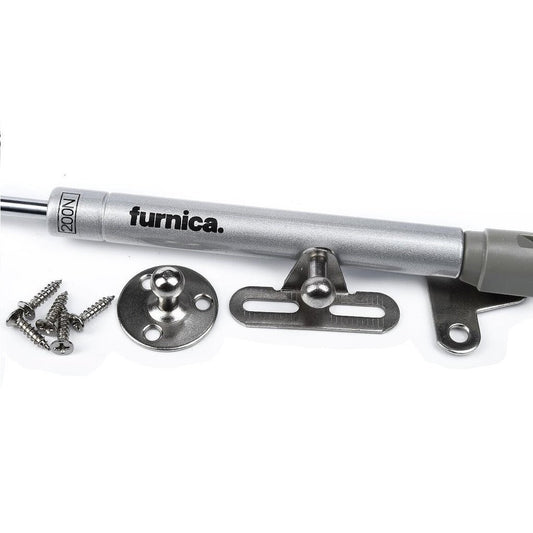
Gas Strut 250mm - 200NRegular price £1.56Unit price / perRegular priceSale price £1.56
-
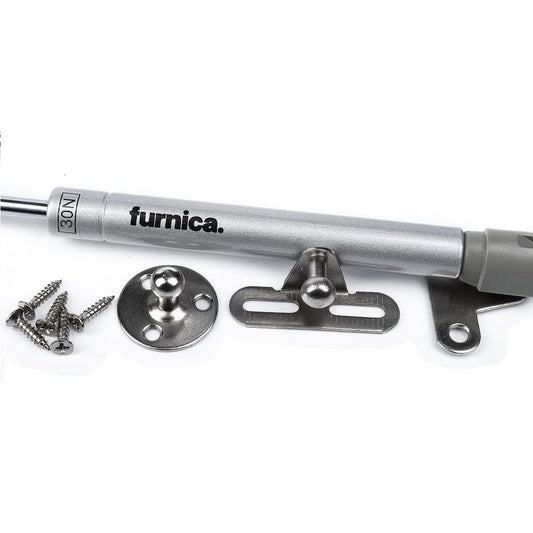
Gas Strut 250mm - 30NRegular price £1.56Unit price / perRegular priceSale price £1.56





















Discount UK is a specialised range of mechanical furniture fittings, pull-out systems and connectors designed for precise furniture making, professional repairs and functional upgrades.
Anyone sourcing quality components for DIY projects, or modernising existing chipboard, MDF and solid-wood carcasses, needs reliable parts with precisely defined dimensions. While conventional furniture discounters mainly sell ready-assembled pieces, this range is aimed at tradespeople and DIYers who choose durable hardware for a specific job. Furniture fittings are like the sturdy chassis of a car: if the hidden load-bearing mechanism is faulty or poorly fitted, even the finest real-wood or high-gloss front loses its function.
Pull-out systems and drawer runners in furniture making
The right runner largely determines how smoothly drawers operate and how much they can carry in kitchen units, wardrobes and chests of drawers. The range is divided by operating principle, extension and profile height.
Ball bearing telescopic runners
Zinc-plated steel ball bearing runners offer high lateral stability and smooth running on hardened steel balls. A key planning factor is the extension length: a part-extension runner releases only about 75% of the drawer by design, while a full-extension runner gives 100% access to the whole storage space up to the back panel.
- H35 profile: At a build height of 35 mm, the H35 ball bearing runners are ideal for shallower drawers. They offer a load capacity of up to 25 kg, a material thickness of 0.8 mm and integrated rubber stops.
- H45 profile: The universal standard size in carcass construction. The H45 ball bearing runners carry 45 kg at a material thickness of 1.0/1.0/1.2 mm and come in nominal lengths from 250 mm to 700 mm. For specific length requirements, stock lengths such as 450 mm drawer runners, 500 mm drawer runners and 550 mm drawer runners are a good fit.
- Compact versions: Very narrow grooves or slim frames can be accommodated with 17 mm-high drawer runners.
Heavy-duty runners for workshops and special carcasses
Standard profiles fall short for deep larder pull-outs, tool cabinets or camping base units. Here, solid runners with an H53 or H76 profile height are used:
- High-load models: The H53 ball bearing runners have a material thickness of 2.0 mm throughout and carry up to 136 kg in lengths from 400 mm to 1500 mm.
- Runners with locking: To prevent unintended opening or closing in tilted positions, the H53 ball bearing runners with lock and the even stronger H76 version (lengths 350 mm to 1200 mm) provide mechanical locking. More variants can be found under 1100 mm drawer runners and heavy-duty drawer runners.
Complete drawer box systems and alternative runner types
Modern case furniture uses prefabricated metal drawer sides. The range of drawer systems includes, among others:
- Low side height (68 mm): The Soft-Close drawer system, LOW, H: 68mm, in Silver and in White, for cutlery trays and inner drawers.
- Medium side height (142 mm): The Soft-Close drawer system, MEDIUM, H: 142mm, in Silver or White, with a 40 kg load capacity.
- High side height (185 mm): The Soft-Close drawer system, HIGH, H: 185mm, in Silver or White, for pots, food stores and textiles.
The range is complemented by classic roller drawer runners on durable plastic rollers and concealed undermount drawer runners.
Hinges and cup hinges for hinged doors
Cup hinges are the standard fitting for cabinet doors in modular furniture construction. A standard 35 mm hinge cup hole is bored into the door front, usually 11.5 mm to 12.5 mm deep.
Choosing the right overlay type
The choice of hinge depends on where the door sits in relation to the carcass side:
- Full overlay (door sits on the carcass): The door covers the carcass side almost completely. This standard arrangement uses the 110° cup hinge with H0 mounting plate and Euro screws, full overlay, in nickel-plated steel.
- Half overlay (door partly on the carcass): Two doors meet on a shared centre panel. The cranked hinge arm maintains the necessary gap.
- Inset (door sits inside the carcass): The door leaf closes flush within the carcass frame.
Angled hinges for corner carcasses
Corner cabinets in kitchens and dressing rooms need non-standard opening angles:
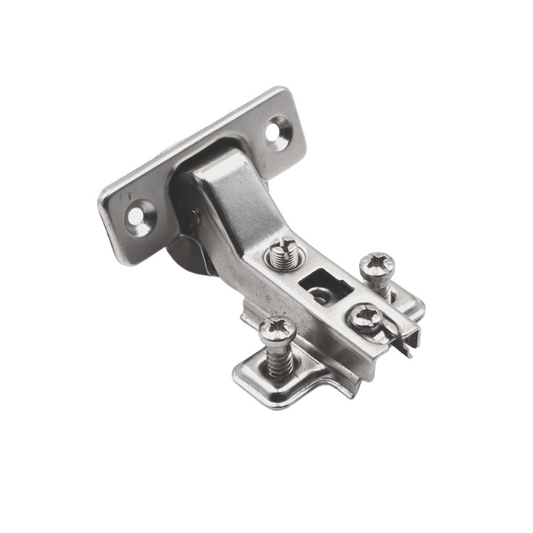
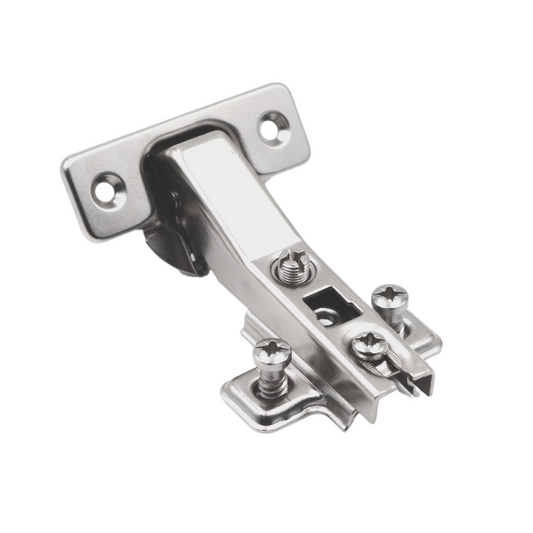
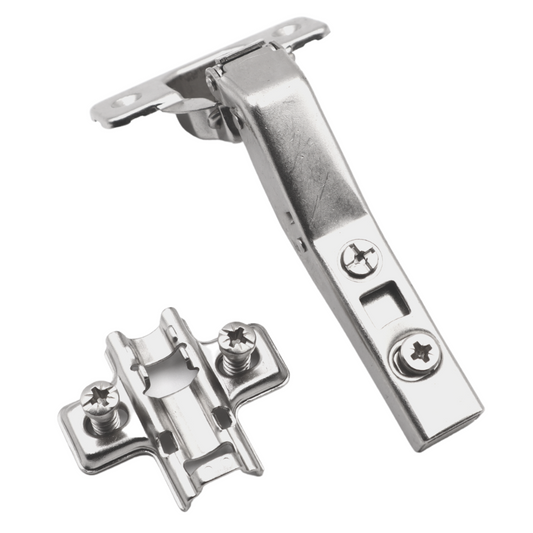
- +30° angle: The +30° cup hinge with H2 mounting plate and Euro screws for corner cabinets joins angled cabinet layouts to the carcass precisely.
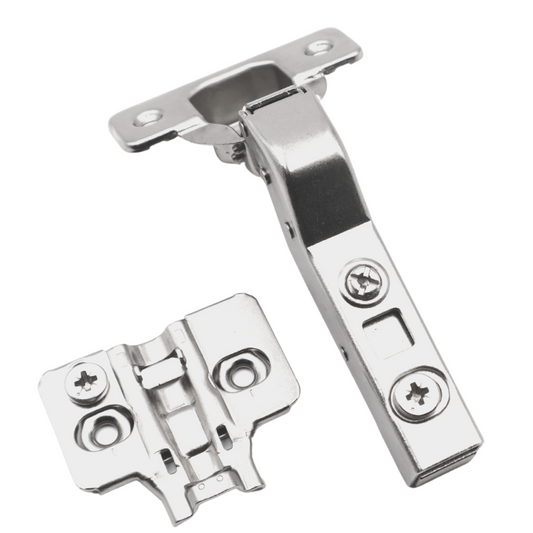
- +45° angle: For diagonal corner cabinets there are the mechanical +45° cup hinge and the damped +45° Soft-Close cup hinge with clip-on mounting, both with H2 mounting plate and Euro screws.
Ease of use: Soft-Close and Push-to-Open
Modern furniture designs use two fundamentally different motion mechanisms:
Soft-Close (integrated damping): A hydraulic damper catches the closing movement of the door or drawer and draws it shut in a controlled way. On drawers, systems such as the H45 Soft-Close ball bearing runners (300 mm to 700 mm long, 45 kg load capacity) ensure quiet closing. A reliable alternative for standard closing is the H45 Auto-Lock ball bearing runners with mechanical self-closing.
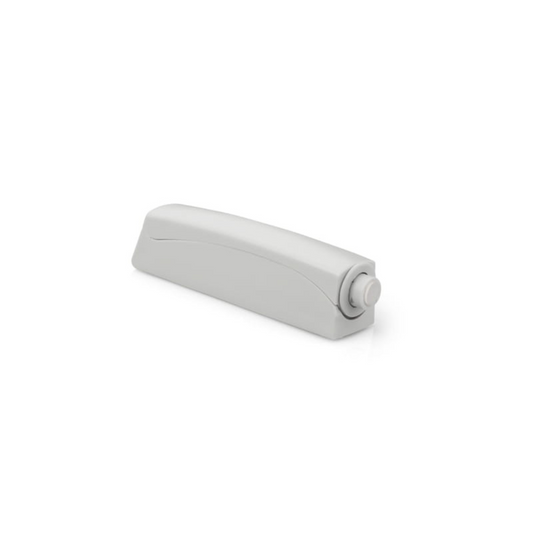
Push-to-Open (handle-free opening): A light press on the furniture front releases a spring mechanism that pushes the front open. The H45 Push-to-Open ball bearing runners (250 mm to 700 mm long, 45 kg load capacity) or separately fitted push-to-open latches allow completely handleless fronts. More versions can be found under Push-to-Open drawer runners.
Fitting and adjustment
Precise alignment prevents material wear and uneven gaps:
- System 32 drilling grid: Many mounting plates use Euro screws with a 5 mm shank that fit the 32 mm hole rows of standard carcasses exactly.
- Side clearance for ball bearing runners: Telescopic runners need a clear gap of exactly 12.7 mm per side between the drawer's outer wall and the carcass interior.
- Tools: Fitting needs only a cordless drill-driver with a PZ2 Pozidriv bit and a 35 mm Forstner bit for the hinge cup.
- 3D adjustment on hinges: The hinge arm screws adjust height (via the mounting plate's slotted holes), overlay (side adjustment) and gap (depth adjustment).
Related categories and accessories
The following areas are recommended for fully equipping case furniture and interior fit-outs:
- Kitchen cupboard pull-outs for better organisation of the larder area.
- Kitchen drawer organisers for clearly dividing cutlery and kitchen utensils.
- Anti-slip drawer mats to protect the drawer base from scratches and stop items sliding about.
- Ventilation grilles for effective air circulation around built-in appliances and in closed cabinets.
- Packaging to protect delicate edges and fronts safely during transport and fitting.
- 80 cm wide chest of drawers for compact storage solutions in bedrooms and living areas.
- 2-door wardrobe as a practical addition for bedrooms and hallways.
Frequently asked questions
What is the difference between full-extension and part-extension drawer runners?
Full-extension runners let the drawer slide out by 100% of its nominal length, so the back of the storage space is easy to reach. By design, part-extension runners release only about 75% of the drawer. Full extension suits deep cabinets and cutlery drawers, while part extension is mainly used for light, shallow drawers.
What is the standard hinge cup diameter in furniture making?
The standard diameter for hinge cup holes is 35 mm, at a depth of 11.5 mm to 12.5 mm. Particularly small doors or decorative trims can take smaller 26 mm versions. Most carcass fittings and Euro-screw mounting plates are designed for the 35 mm size and the 32 mm hole-row grid.
How much space needs to be allowed for ball bearing runners?
Standard ball bearing runners in H35 and H45 need exactly 12.7 mm per side between the drawer side and the inside of the carcass. The drawer box must therefore be built 25.4 mm narrower in total than the clear internal width of the carcass for smooth running.
Can Soft-Close and Push-to-Open be combined?
Soft-Close and Push-to-Open are opposing mechanisms: Soft-Close draws the drawer in gently and damps it, while Push-to-Open pushes it open mechanically. However, specialised combination fittings integrate both functions, so the front pops open with a light tap and is drawn in gently by the damper when closed by hand.
When do you need a full overlay hinge and when an inset hinge?
A full overlay hinge is used when the closed door almost completely covers the carcass side panel. An inset hinge is needed when the door sits flush between the carcass walls and the cabinet edges remain visible from the front. For two doors on a shared centre panel, a half overlay hinge is chosen.