
Fixings & Screws
Popular subcategories


-
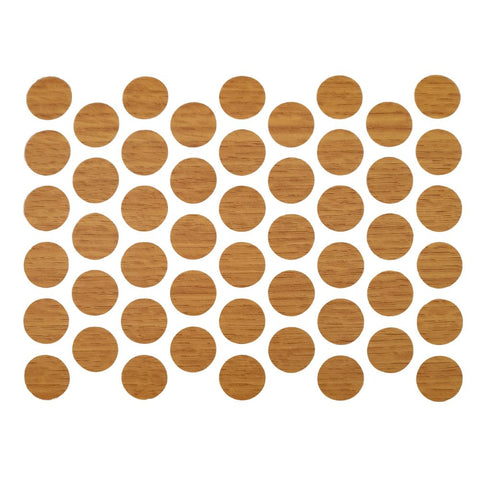
Screw Cover Caps Self-Adhesive - Cappucino 14mmRegular price £0.90Unit price / perRegular priceSale price £0.90
-
Screw cover caps Self-Adhesive - Dark Zebrano 14mmRegular price £0.90Unit price / perRegular priceSale price £0.90
-
Screw cover caps Self-Adhesive - Moonstone 14mmRegular price £0.90Unit price / perRegular priceSale price £0.90
-
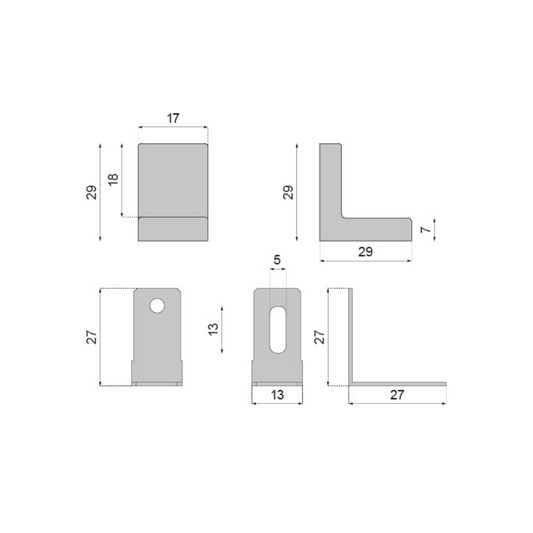
Metal Furniture Angle with Plastic Cover - GreyRegular price £0.70Unit price / perRegular priceSale price £0.70
-
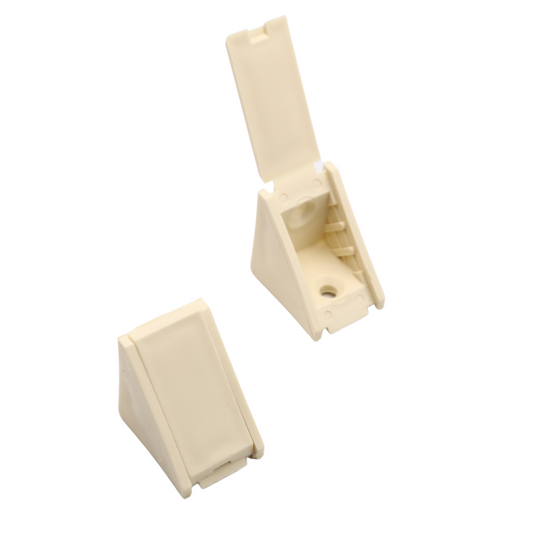
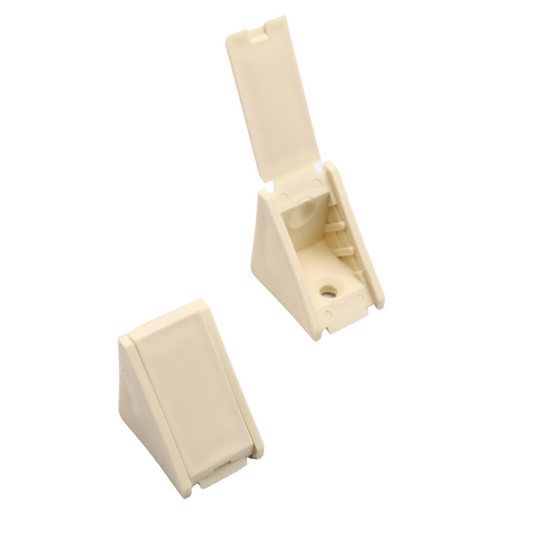
Cabinet corner braces plastic - Cream 500pcsRegular price £21.34Unit price / perRegular priceSale price £21.34
-
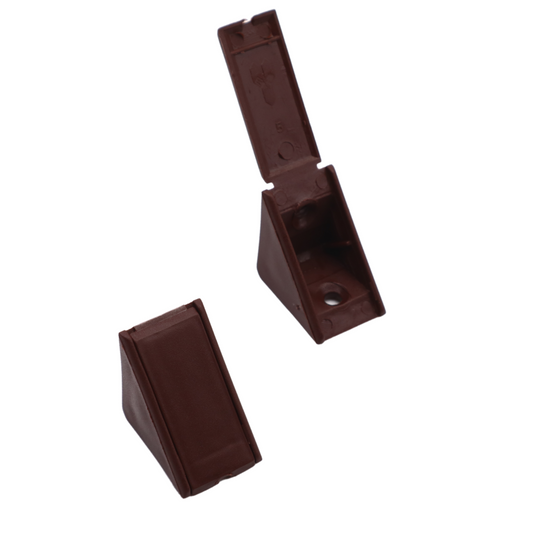
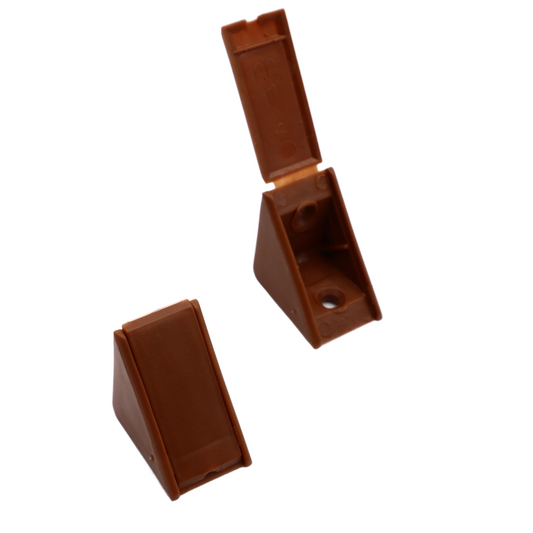
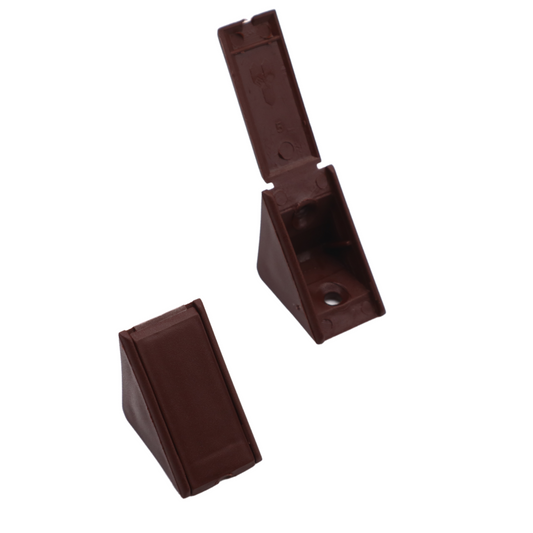
Cabinet corner braces plastic - Dark Brown 100pcsRegular price £4.28Unit price / perRegular priceSale price £4.28
-
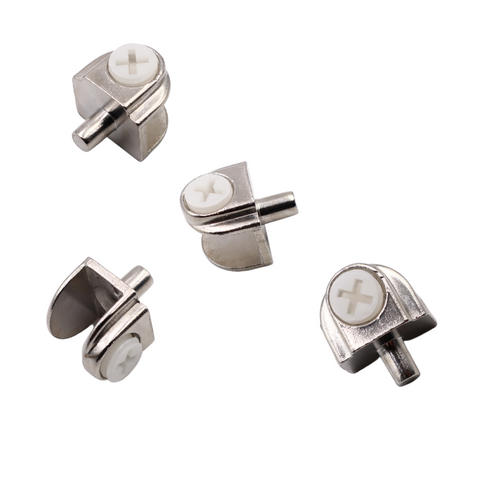
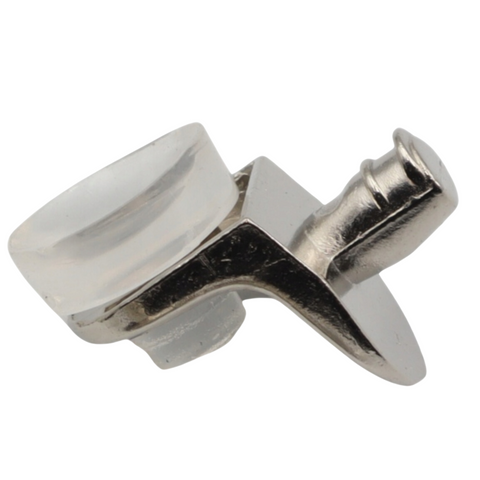
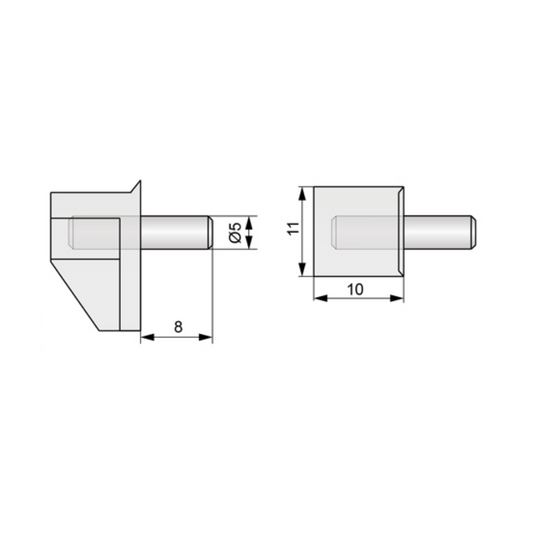
Metal-Plastic Shelf Support Ø5mm (1 pc)Regular price £0.05Unit price / perRegular priceSale price £0.05
-
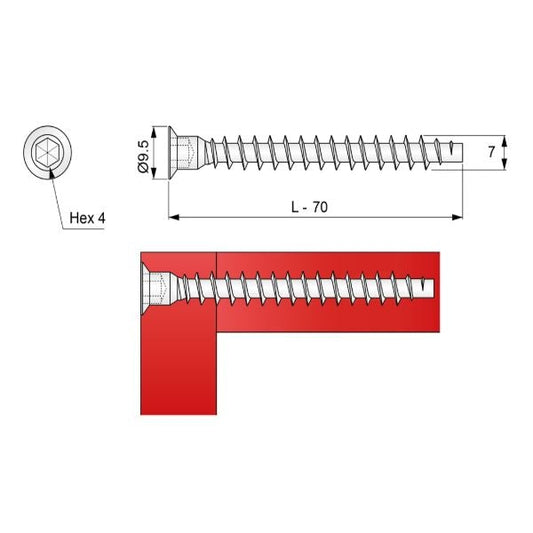
Confirmat Screw - 7.0x70mmRegular price £0.10Unit price / perRegular priceSale price £0.10
-
Pull-Out Wardrobe Rail 250-500 mm - BlackRegular price From £1.97Unit price / perRegular priceSale price From £1.97
-
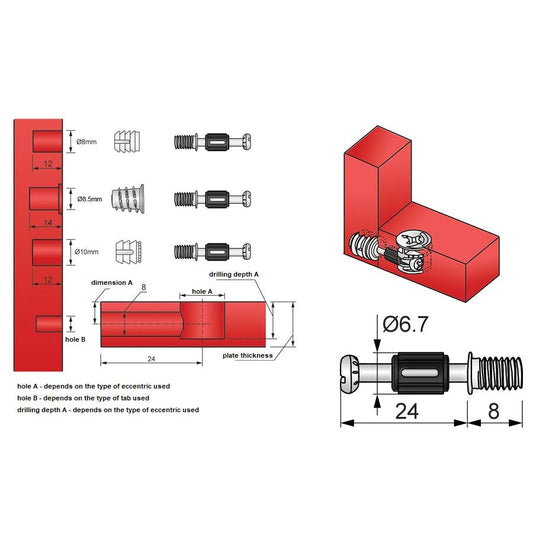
Cam Dowel 24mm with M6 Screw-Thread - 100 pcsRegular price £4.50Unit price / perRegular priceSale price £4.50
-
Screw cover caps Self-Adhesive - Pink 14mmRegular price £0.90Unit price / perRegular priceSale price £0.90
-
Screw cover caps Self-Adhesive - Italian Walnut 14mmRegular price £0.90Unit price / perRegular priceSale price £0.90
-
Screw Cover Caps Self-Adhesive - Antique White 18mmRegular price £0.90Unit price / perRegular priceSale price £0.90
-
Screw cover caps Self-Adhesive - Milas Walnut 18mmRegular price £0.90Unit price / perRegular priceSale price £0.90
-
Screw cover caps Self-Adhesive - Latte 18mmRegular price £0.90Unit price / perRegular priceSale price £0.90
-
Screw cover caps Self-Adhesive - Maple 14mmRegular price £0.90Unit price / perRegular priceSale price £0.90
-
Screw cover caps Self-Adhesive - Ozigo 14mmRegular price £0.90Unit price / perRegular priceSale price £0.90
-
Screw cover caps Self-Adhesive - Lilac 18mmRegular price £0.90Unit price / perRegular priceSale price £0.90
-
Cabinet corner braces plastic - Cream 1000pcsRegular price £42.68Unit price / perRegular priceSale price £42.68
-
Cabinet corner braces plastic - Brown 1000pcsRegular price £42.68Unit price / perRegular priceSale price £42.68
-
Cabinet corner braces plastic - Dark Brown 1000pcsRegular price £42.68Unit price / perRegular priceSale price £42.68












Fixings and fittings cover all the functional hardware, connectors, organisation systems and handles needed for building, repairing and upgrading case and fitted furniture, and for its ergonomic use. Only the right components turn cut wood-based boards into a robust piece of furniture that closes silently in daily use, swings precisely and makes every last corner of the available space usable. In modular furniture making, these mechanical parts work like the joints and tendons of a body: they carry loads, enable guided movement and keep carcasses permanently square.
Functional fittings for doors, flaps and fronts
The way furniture fronts open and close largely determines everyday comfort. Modern furniture making is dominated by concealed hinge systems and spring-assisted lift mechanisms, which must be matched exactly to the carcass geometry.
Cabinet hinges and cup hinges
For hinged doors, classic cup hinges are the technical standard. On chipboard or MDF carcasses, the hinge cup sits in a pre-bored 35 mm hole of standard depth. The hinge crank depends on where the door sits relative to the carcass side:
- Full overlay (door in front of the carcass): The front covers the carcass edge almost completely. The 110° Soft-Close hinge with H0 mounting plate, for example, is suitable here, with integrated dampers for gentle self-closing.
- Half overlay (twin doors): Two doors share a centre panel, so each front covers only half the edge, achievable with the 110° Soft-Close hinge for half overlay.
- Inset (door within the carcass): The door leaf closes flush with the outer carcass edge; the 110° Soft-Close hinge for inset doors is designed for this.
For cabinets with internal drawers or wide access, wide-angle hinges such as the 165° 3D Soft-Close hinge swing the door fully clear without narrowing the carcass width. On corner cabinets with angled fronts, special hinges such as the +45° hinge with H2 mounting plate guide the door stably at 45°.
Lift-up fittings and motion damping
Wall units that open upwards need specialised lift-up fittings, which hold fronts securely in any position or swing them up with damping. For retrofitting existing hinged doors, or as stop protection, separate door dampers and flexible buffers & dampers reliably prevent hard impact noise on carcass edges.
Storage solutions and interior fittings for kitchen and living areas
The clear depth and height of cabinets often go unused without functional interior fittings. Specific pull-out systems turn deep recesses into well-organised storage.
Narrow base unit pull-outs
In fitted kitchens, usable gaps often occur between standard carcasses. Precisely fitting base unit storage makes these recesses accessible:
- 150 mm cabinet width: A narrow side pull-out such as the 15 cm pull-out larder (3 shelves) makes full use of a 150 mm wide, 450 mm deep gap for spices and oils.
- 200 mm cabinet width: The 20 cm chrome pull-out larder offers ample space on 3 levels (155 mm basket width, 505 mm height).
- 300 mm cabinet width: The 30 cm Soft-Close side pull-out, with a 230 mm basket and damped self-closing, suits larger supplies.
Organisation in wall units, wardrobes and drawers
Above the sink, an aluminium dish rack for wall units drains dishes directly; in a 600 mm wide carcass, a 564 mm long rack with 275 mm to 325 mm adjustable width compensates for tolerances in the side panels. In the bedroom, structured wardrobe accessories keep clothes crease-free, while drawer equipment keeps cutlery, small parts and kitchen utensils neatly in place. Integrated waste bins & containers under the sink also make recycling easy right at the worktop.
Handles, feet and support hardware
The feel and stance of a piece of furniture shape its quality in daily use. Besides mechanical properties, ergonomic dimensions play a central role.
Rail handles and cabinet handles
For safe handling of heavy pull-outs and wide fronts, cabinet handles come in standardised hole centres. High-quality nickel-plated steel rail handles with M4 screw fixing cover the common spacings:
- 96 mm centres (total length 150 mm, handle height 32 mm)
- 128 mm centres (total length 200 mm, handle height 32 mm)
- 160 mm centres (total length 250 mm, handle height 32 mm)
- 192 mm centres (total length 300 mm, handle height 32 mm)
- 256 mm centres (total length 400 mm, handle height 32 mm)
Furniture legs and wall fixings
Height-adjustable furniture legs with standard M8 or M10 threads level uneven floors and isolate timber carcasses from floor moisture. For floating shelves, wall boards or coat panels, sturdy shelf supports & brackets and attractive coat hooks give secure support under point loads.
Joining hardware, worktop fitting and desk organisation
The structural integrity of case furniture depends on hidden connectors and suitable fixings.
Carcass connectors and screws
Knock-down carcasses are normally assembled with cam connectors whose Rastex or Minifix housings sit in a 15 mm hole. With sturdy wooden dowels, furniture connectors ensure square joints between side panels and top and bottom panels. Specialised wood screws and furniture screws with thread geometries matched to chipboard and solid wood fix fittings, mounting plates and drawer runners in System 32 (line boring at 32 mm spacing).
Worktops, security and cable management
When fitting kitchens, solid worktop fittings join worktop sections firmly and keep moisture out of the joints. In commercial settings or the home office, mechanical furniture locks protect confidential documents from unauthorised access. Finally, precisely fitting cable grommets guide cable bundles neatly through panel holes on desks and media furniture.
Practical guide: choosing and fitting furniture accessories
For a successful DIY installation or upgrade, check the following technical criteria beforehand:
- Drilling grid and carcass dimensions: Check existing hole rows (e.g. System 32) and measure the clear carcass width, depth and height exactly in millimetres before choosing fittings.
- Determine the overlay type: For hinged doors, clearly distinguish between full overlay, half overlay and inset to choose the right hinge crank.
- Mounting plate height: Choose the mounting plate distance (e.g. H0 for standard overlay, H2 for specific carcass spacing) to set the gap exactly via the 3D adjustment.
- Tools: Have screwdrivers with a matching blade profile (PH, PZ or TX), a 35 mm Forstner bit for cup hinges and a spirit level ready.
Overview of related accessory and fitting categories
Alongside the individual system components, the following specialist categories offer the matching parts for your furniture project:
- Cup hinges & cabinet hinges: For precise fitting of overlay, inset or angled cabinet doors, with or without Soft-Close damping.
- Cabinet handles & knobs: For individual styling and ergonomic operation of drawers and furniture fronts.
- Furniture legs: For levelling out uneven floors and a stable stance for all kinds of case furniture.
- Furniture connectors: For interlocking, stable and, if needed, detachable carcass constructions.
- Base unit storage: For efficient use of kitchen recesses from 150 mm wide.
- Dish racks for wall units: For space-saving dish drying directly in the wall unit above the sink.
- Cable grommets: For tidy, chafe-proof cable management on work and office desks.
Frequently asked questions
What is the difference between full overlay, half overlay and inset cup hinges?
With full overlay, the cabinet door sits in front of the carcass edge and covers it almost completely. With half overlay, two fronts meet on a shared centre panel and share its edge width. With inset, the front sits flush inside the carcass, so the carcass edges remain fully visible from outside.
What diameter must the hole for a cup hinge have?
Standard kitchen and case furniture hinges need a 35 mm cup hole, bored with a Forstner bit. Smaller decorative cabinets or glass-door hinges use rarer compact hinges with a 26 mm cup. The distance from the door edge to the cup hole is usually 3 mm to 5 mm.
Which screws suit mounting plates in System 32?
Standardised System 32 carcasses (hole rows at 32 mm spacing, 5 mm hole diameter) use special Euro screws with a 6.3 mm thread, which cut directly into the pre-drilled 5 mm hole in the chipboard. On solid material or panels without hole rows, mounting plates can be fixed with standard chipboard screws (3.5 mm or 4.0 mm diameter).
Which cabinet widths suit narrow kitchen pull-out larders?
Narrow kitchen side pull-outs suit carcass widths of 150 mm, 200 mm and 300 mm. Their basket widths are 105 mm, 155 mm and 230 mm respectively. All models have the standard 450 mm depth and a damped Soft-Close mechanism.
How is a handle's hole centre distance measured correctly?
The hole centre distance is measured exactly from the centre of one fixing thread to the centre of the other. Common standard sizes are 96 mm, 128 mm, 160 mm, 192 mm and 256 mm. Handles are fixed from the inside with standard M4 screws, usually in lengths to suit a 16 mm to 19 mm front.