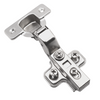

How to Adjust Wardrobe Door Hinges
Wardrobe doors frequently slip out of alignment over time, either due to daily wear, timber settling, or the sheer weight of tall panels. When doors begin to catch on the frame, scrape the floor, or display uneven gaps, the issue can almost always be resolved at the hinge. Modern fitted and freestanding wardrobes rely on concealed hinges that feature built-in 3-way adjustment, allowing you to fine-tune height, lateral position, and depth using nothing more than a standard screwdriver.
Understanding 3-Way Adjustable Concealed Hinges
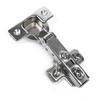
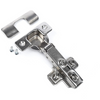
Most modern wardrobes use European-style concealed hinges mounted into standard 35 mm circular drillings on the back of the door, attached to mounting plates fixed inside the carcass. These fittings are engineered with distinct adjustment screws that alter the door's position across three separate axes:
- Side-to-side (Lateral): Moves the door left or right to correct gaps between adjacent doors or frame edges.
- Height (Vertical): Raises or lowers the door to ensure horizontal alignment across the top and bottom.
- Depth: Moves the door inwards or outwards relative to the carcass, ensuring it closes flush without binding.
By identifying which direction your door needs to shift, you can use these adjustable wardrobe door hinges to achieve a precise, clean finish.
Step-by-Step Guide to Aligning Wardrobe Doors
1. Vertical Adjustment (Height)
If the entire door is sagging or sitting too low, you will need to adjust the mounting plates rather than the hinge arm itself. Loosen the top and bottom fixing screws that hold the mounting plate to the internal cabinet side. Gently lift or lower the door to the correct height, then re-tighten the screws firmly while supporting the weight of the door.
2. Lateral Adjustment (Side-to-Side)
Uneven gaps between twin wardrobe doors are corrected using the lateral adjustment screw, typically located nearest the hinge cup on the arm. Turning this screw clockwise moves the edge of the door closer to the cabinet side, widening the central gap between pairs. Turning it anti-clockwise pushes the door away from the side, narrowing the gap. Make subtle half-turn adjustments on each hinge until the vertical seam is parallel.
3. Depth Adjustment (In and Out)
If a door does not sit flush against the wardrobe carcass when closed, or if it catches against the frame when opening, adjust the depth screw situated towards the rear of the hinge arm. Loosen this screw slightly, slide the door inward or outward to align with adjacent panels, and tighten it back down to lock the position.
Troubleshooting Tall Wardrobe Doors
Full-height wardrobe doors often require three, four, or five hinges to distribute weight evenly. When working with multiple fittings, adjust the top and bottom hinges first to establish the correct line and level. Once the outer hinges are set, adjust the middle hinges so they sit naturally against the mounting plates without pulling the door out of shape or creating unnecessary tension on the fittings.
- Furniture Hardware Guides
- 25 Aug, 2026
- Posted By: Furnica
Recent Posts
-
-
Loft Wardrobe Ideas: Hardware for Sloped Ceilings
25 August, 2026
-
Loft Wardrobe Ideas: Hardware for Sloped Ceilings
-
-
How to Style and Organise Cupboards Without Doors
25 August, 2026
-
How to Style and Organise Cupboards Without Doors
-
-
Small Under Stairs Pantry Hardware & Storage Ideas
25 August, 2026
-
Small Under Stairs Pantry Hardware & Storage Ideas
-
-
How to Replace Kitchen Drawer Runners
25 August, 2026
-
How to Replace Kitchen Drawer Runners
-
-
Small Pantry Storage Ideas: Hardware Solutions
25 August, 2026
-
Small Pantry Storage Ideas: Hardware Solutions
-
-
Kitchen Pantry Cabinet Ideas: Internal Storage Fittings
25 August, 2026
-
Kitchen Pantry Cabinet Ideas: Internal Storage Fittings
-
-
Guide to Drawer Guides: Types, Features & Sizing
25 August, 2026
-
Guide to Drawer Guides: Types, Features & Sizing
-
-
How to Install Drawer Runners: Step-by-Step Guide
25 August, 2026
-
How to Install Drawer Runners: Step-by-Step Guide
-
-
How to Fit Gas Struts to Cabinet Doors
25 August, 2026
-
How to Fit Gas Struts to Cabinet Doors
-
-
Guide to Adjustable Kitchen Drawer Dividers
25 August, 2026
-
Guide to Adjustable Kitchen Drawer Dividers
- 128mm cabinet handles
- 15 cm kitchen cabinet pull-out
- 150cm Wardrobe
- 160mm cabinet handles
- 16mm wood screws
- 192mm cabinet handles
- 2 Door Wardrobe
- 2-compartment waste separation bin
- 2.5mm wood screws
- 20 cm kitchen cabinet pull-out
- 200cm Wardrobe
- 256mm cabinet handles
- 3 Door Wardrobe
- 3-compartment waste separation bin
- 30 cm kitchen cabinet pull-out
- 320mm cabinet handles
- 32mm cabinet handles
- 4 Door Wardrobe
- 40 cm kitchen cabinet pull-out
- 416mm cabinet handles
- 480mm cabinet handles
- 50 cm kitchen cabinet pull-out
- 6 Door Wardrobe
- 60 cm kitchen cabinet pull-out
- 60cm Wide Wardrobe
- 96mm cabinet handles
- Accessories
- Adjustable furniture legs
- Adjustable plinth legs
- Adjusting cupboard hinges
- Air vent grill
- ALBI System
- Aluminum Cabinet Handles
- Aluminum robe hook
- Aluminum Wardrobe Hooks
- Anthracite cabinet handles
- Anti-dust Brushes
- Anti-Slip Mat
- Back Panel Wedges
- Ball bearing slides
- Bar handle
- Barrel Bolts
- Base Supports
- Base units
- Bathroom cabinet hinges
- Bathroom Furniture
- Bathroom Wall Cabinet
- Bedroom Wardrobe
- Beige Wardrobe
- Best screws for hard wood
- Biscuits
- Biscuits & Dowels
- Black Cabinet Handles
- Black Desk With Drawers
- Black felt pads for furniture
- Black furniture legs
- Black Gloss Wardrobe
- Black Wardrobe
- Black Wardrobe With Mirror
- Black wood screws
- Bottom Horizontal Profiles
- Brackets & Fittings
- Brown Felt pads for furniture
- Brown Wardrobe
- Brushed Steel Cabinet Handles
- Bumper push latch
- Cabinet bar handles
- Cabinet brackets
- Cabinet Connectors
- Cabinet corner braces
- Cabinet door bumpers
- Cabinet Handles Black metal
- Cabinet Handles Industrial
- Cabinet Handles Matte Black
- Cabinet Handles Matte Gold
- Cabinet Handles Metal
- Cabinet Handles Modern
- Cabinet Handles Plastic
- Cabinet hanging brackets
- Cabinet Hinges
- Cabinet hinges 110°
- Cabinet hinges 135°
- Cabinet hinges 155°
- Cabinet hinges 165°
- Cabinet hinges 30°
- Cabinet hinges 45°
- Cabinet hinges 90°
- Cabinet hinges concealed
- Cabinet hinges Soft-Close
- Cabinet legs
- Cabinet lock with rod mechanism
- Cabinet locks
- Cabinet shelf brackets
- Cable Grommet
- Cable grommet aluminum
- Cable grommet black
- Cable grommet brown
- Cable grommet brushed steel
- Cable grommet chrome
- Cable grommet grey
- Cable grommet metal
- Cable grommet plastic
- Cable grommet rectangular
- Cable grommet round
- Cable grommet satin
- Cable grommet silver
- Cable grommet square
- Cable grommet white
- Cable hole cover
- Cam dowel
- Cam dowel 24mm
- Cam dowel 28mm
- Cam dowel 34mm
- Cam dowel 8mm
- Cam lock connector
- Cam lock nut
- Central locking for drawer
- Cheap Wardrobes
- Cheapest wood screws
- Chest of Light Oak Drawers
- Child's Wardrobe
- Childrens Wardrobe
- Chrome cabinet handles
- Chrome cabinet hinges
- Chrome furniture legs
- Chrome robe hook
- Chrome wood screws
- Closet
- Clothes Hooks
- Clothes Rail
- Coat Hooks
- Collections Wardrobe width - 1200mm
- Collections Wardrobe width - 2400mm
- Concealed hinges 35mm
- Concealed hinges for inset doors
- Confirmat screws
- Connector & supports
- Corner cabinet hinges
- Corner cabinet swivel fitting
- Corner cabinet with a revolving mechanism
- Corner cupboard storage
- Corner Wardrobe
- Cupboard door dampers
- Cupboard door hinges
- Cupboard handles
- Cupboard locks
- Cupboard pull out storage
- Cupboards
- Custom made sliding door
- Cylinder furniture lock
- Dark Oak Wardrobe
- Dark Wood Wardrobe
- Desk cable grommet
- Desk cable grommet 20mm
- Desk cable grommet 60mm
- Desk cable grommet 80mm
- Desk Chair Without Wheels
- Discount UK
- Dish rack cabinet
- Display cabinet lock
- Door bumper
- Double Bottom Tracks
- Double robe hook
- Double Top Tracks
- Double Wardrobe
- Drawer Equipment
- Drawer inserts
- Drawer locks
- Drawer runners
- Drawer runners 1000mm
- Drawer runners 1100mm
- Drawer runners 1200mm
- Drawer runners 1300mm
- Drawer runners 1400mm
- Drawer runners 17mm height
- Drawer runners 250mm
- Drawer runners 270mm
- Drawer runners 27mm height
- Drawer runners 300mm
- Drawer runners 30mm height
- Drawer runners 350mm
- Drawer runners 35mm height
- Drawer runners 400mm
- Drawer runners 450mm
- Drawer runners 45mm height
- Drawer runners 500mm
- Drawer runners 53mm height
- Drawer runners 550mm
- Drawer runners 600mm
- Drawer runners 650mm
- Drawer runners 700mm
- Drawer runners 750mm
- Drawer runners 800mm
- Drawer runners 850mm
- Drawer runners 900mm
- Drawer runners 950mm
- Drawer Slides
- Drawer slides auto-lock
- Drawer slides full extension
- Drawer slides Push-to-Open
- Drawer slides Soft-Close
- Drawer slides with damping
- Drawer system Soft-close
- Drawer Systems
- Easy close cabinet hinges
- Easy On Cabinet Hinges
- Elastic Bumper
- European cabinet hinges
- Felt pads for furniture
- Flap stay
- Flap stay
- Floating shelf support
- Frame Fixing Screws
- Freestanding Wardrobe
- Full overlay cabinet hinges
- Furniture Buffers
- Furniture cam connectors
- Furniture Casters
- Furniture castors
- Furniture damper
- Furniture handles
- Furniture knobs
- Furniture LED accessories
- Furniture LED lamps with USB
- Furniture LED tape light
- Furniture Legs
- Furniture legs 10 cm
- Furniture legs 15 cm
- Furniture Legs 20 cm
- Furniture legs 6 cm
- Furniture Legs with M8 Threaded Stem
- Furniture lighting LED
- Furniture locks
- Furniture wheels
- Gas dampers for heavy flaps
- Gas Strut Black
- Gas Strut Silver
- Gas Strut White
- Gas Struts
- Glass and Plate Holder
- Glass cabinet locks
- Glass Gaskets/Seals
- Glass shelf clips
- Glass shelf supports
- Gold Cabinet Handles
- Gray Wardrobe
- Grey Felt Pads
- Grey felt pads for furniture
- Grey Furniture Legs
- Grey Wardrobe
- H-Bar Connectors
- Half overlay concealed hinges
- Handle Profiles
- Handle strip
- Hanging rail
- Heavy duty cabinet hinges
- Heavy Duty Concealed Hinges
- Heavy duty drawer runners
- Heavy duty wheels for furniture
- Height-Adjustable Table Legs
- Hydraulic supports
- Industrial furniture handles
- Industrial Wardrobe
- Inset cabinet hinges
- Inset concealed hinges
- Invisible cabinet hinges
- Jointing biscuits
- Kitchen Base Units
- Kitchen Base Units
- Kitchen Base Units - Width: 100 cm
- Kitchen Base Units - Width: 15 cm
- Kitchen Base Units - Width: 20 cm
- Kitchen Base Units - Width: 30 cm
- Kitchen Base Units - Width: 40 cm
- Kitchen Base Units - Width: 45 cm
- Kitchen Base Units - Width: 60 cm
- Kitchen Base Units - Width: 80 cm
- Kitchen cabinet handles
- Kitchen cabinet hinges
- Kitchen corner baskets
- Kitchen Corner Units
- Kitchen Doors
- Kitchen Doors - Cabinet width 60cm
- Kitchen Doors - Dortmund
- Kitchen Doors - Rugby
- Kitchen Doors H:1060mm
- Kitchen Doors H:1286mm
- Kitchen Doors H:570mm
- Kitchen Doors H:596mm
- Kitchen Doors H:600mm
- Kitchen Doors H:713mm
- Kitchen Doors H:856mm
- Kitchen Doors H:913mm
- Kitchen drawer organizers
- Kitchen furniture
- Kitchen furniture handles
- Kitchen Larder Units
- Kitchen sinks
- Kitchen Units
- Large Wardrobe
- Latches
- Laundry baskets
- Lazy susan cabinet hinges
- Leather handles
- LeMans corner - Kessebohmer
- LeMans I Arena Classic
- LeMans II Arena Classic
- LeMans Kessebohmer
- Lift Systems
- LIFT-O-MAT
- Light Wood TV Stand
- Living Room Wardrobe
- Made to Measure Sliding Wardrobe Doors
- Magnetic cabinet catch
- Magnetic cupboard catch
- Magnetic door catch
- Mahogany Wardrobe
- Mailbox lock
- Matte gold furniture handles
- Mechanical supports
- Medicine Cabinet
- Metal drawer slides
- Metal furniture handles
- Metal furniture legs
- Metal Shelf Support
- Metal table leg square
- Mixed Felt pads for furniture
- Modern Wardrobe
- Narrow Wardrobe
- Oak Wardrobe
- Overlay cabinet hinges
- Packaging
- Painted Wardrobes
- Panel Holders
- Partial overlay cabinet hinges
- Pelican shelf support bracket
- Pine Wardrobe
- Plastic furniture handles
- Plastic Furniture Legs
- Portable Wardrobe
- Power Stations
- Pozidrive wood screws
- Profile handle
- Promotion 500mm Silver and White
- Pull Down Wardrobe Rail
- Pull handles
- Pull out clothes rail
- Pull Out Shelves
- Pull out spice rack
- Pull Out storage baskets
- Pull out wardrobe rail
- Pull-out kitchen recycling bin
- Pull-out kitchen waste bins
- Pull-out storage for kitchen cabinets
- Pull-out waste bin 300mm
- Pull-out waste bin 400mm
- Pull-out waste bin 450mm
- Pull-out waste bin 500mm
- Pull-out waste bin 600mm
- Push to Open latch
- Push-to-Open Door Catches
- Rail handles
- Rail handles
- Rectangular Felt pads for furniture
- Recycling bins for kitchen
- Robe hooks
- Roller slides
- Round Felt pads for furniture
- Round furniture feet
- Round furniture handles
- Safety Foil
- Satin Cabinet Handles
- Satin furniture legs
- Satin robe hook
- Satin Wardrobe Hooks
- Screw cover caps
- Screw cover caps 14mm
- Screw cover caps 18mm
- Screw cover caps black
- Screw cover caps brown
- Screw cover caps grey
- Screw cover caps oak
- Screw cover caps white
- Screw cover caps wood
- Screw fasteners
- Screw-in dowels
- Self closing cabinet hinges
- Shelf brackets
- Short Wardrobe
- Silver Cabinet Handles
- Silver cabinet hinges
- Single Door Wardrobe
- Single robe hook
- Single Wardrobe
- Sliding Door Manufacturing Tools
- Sliding Wardrobe Doors
- Slim Wardrobe
- Slow close cabinet hinges
- Small furniture legs
- Small recycling bins for kitchen
- Small shelf brackets
- Small Wardrobe
- Small Wardrobe With Drawers
- Small wood screws UK
- Solid Wood Wardrobe
- Square felt pads for furniture
- Square furniture legs
- Square Furniture Legs
- Square stainless steel cabinet handles
- Stainless steel cabinet handles
- Stainless steel waste bin
- Steel Table Legs
- Storage Cabinets
- T-nuts
- Table cable grommets
- Table Legs
- Tall Wardrobe
- test
- Test Products
- Thin Wardrobe
- Threaded insert
- Toilet Mirror Cabinet
- Top Horizontal Profiles
- Transparent Elastic Buffers
- Triple robe hook
- Triple Wardrobe
- tst
- TV Stand with Bracket
- Under Shelf Storage
- Undermount drawer runners
- Wall mounted clothes rack
- Wall mounted clothes rail
- Walnut Wardrobe
- Wardrobe 100cm Wide
- Wardrobe 120cm Wide
- Wardrobe 140cm Wide
- Wardrobe 90 cm wide
- Wardrobe 90cm Wide
- Wardrobe Fittings
- Wardrobe handles
- Wardrobe Lift
- Wardrobe shelf brackets
- Wardrobe width - 1600mm
- Wardrobe width - 1800mm
- Wardrobe With Drawers
- Wardrobe With Shelves
- Wardrobe Without Doors
- Waste Bins
- waste separation bin
- Wheels / Top Guides
- White Cabinet Handles
- White Felt pads for furniture
- White furniture legs
- White Gloss Wardrobes
- White Table Legs
- White Wardrobe
- White Wardrobe With Drawers
- Wood screws
- Wood screws 3.5mm
- Wood screws 3mm
- Wood screws 40mm
- Wood screws 4mm
- Wood screws PH1
- Wood screws PH2
- Wood screws PZ1
- Wood screws PZ2
- Wooden Wardrobe
- Worktop connector
- Worktop Fittings
- Worktop Frames
- Zinc wood screws
Recent Posts
-
-
Loft Wardrobe Ideas: Hardware for Sloped Ceilings
25 August, 2026
-
Loft Wardrobe Ideas: Hardware for Sloped Ceilings
-
-
How to Style and Organise Cupboards Without Doors
25 August, 2026
-
How to Style and Organise Cupboards Without Doors
-
-
Small Under Stairs Pantry Hardware & Storage Ideas
25 August, 2026
-
Small Under Stairs Pantry Hardware & Storage Ideas
-
-
How to Replace Kitchen Drawer Runners
25 August, 2026
-
How to Replace Kitchen Drawer Runners
-
-
Small Pantry Storage Ideas: Hardware Solutions
25 August, 2026
-
Small Pantry Storage Ideas: Hardware Solutions
-
-
Kitchen Pantry Cabinet Ideas: Internal Storage Fittings
25 August, 2026
-
Kitchen Pantry Cabinet Ideas: Internal Storage Fittings
-
-
Guide to Drawer Guides: Types, Features & Sizing
25 August, 2026
-
Guide to Drawer Guides: Types, Features & Sizing
-
-
How to Install Drawer Runners: Step-by-Step Guide
25 August, 2026
-
How to Install Drawer Runners: Step-by-Step Guide
-
-
How to Fit Gas Struts to Cabinet Doors
25 August, 2026
-
How to Fit Gas Struts to Cabinet Doors
-
-
Guide to Adjustable Kitchen Drawer Dividers
25 August, 2026
-
Guide to Adjustable Kitchen Drawer Dividers
- 128mm cabinet handles
- 15 cm kitchen cabinet pull-out
- 150cm Wardrobe
- 160mm cabinet handles
- 16mm wood screws
- 192mm cabinet handles
- 2 Door Wardrobe
- 2-compartment waste separation bin
- 2.5mm wood screws
- 20 cm kitchen cabinet pull-out
- 200cm Wardrobe
- 256mm cabinet handles
- 3 Door Wardrobe
- 3-compartment waste separation bin
- 30 cm kitchen cabinet pull-out
- 320mm cabinet handles
- 32mm cabinet handles
- 4 Door Wardrobe
- 40 cm kitchen cabinet pull-out
- 416mm cabinet handles
- 480mm cabinet handles
- 50 cm kitchen cabinet pull-out
- 6 Door Wardrobe
- 60 cm kitchen cabinet pull-out
- 60cm Wide Wardrobe
- 96mm cabinet handles
- Accessories
- Adjustable furniture legs
- Adjustable plinth legs
- Adjusting cupboard hinges
- Air vent grill
- ALBI System
- Aluminum Cabinet Handles
- Aluminum robe hook
- Aluminum Wardrobe Hooks
- Anthracite cabinet handles
- Anti-dust Brushes
- Anti-Slip Mat
- Back Panel Wedges
- Ball bearing slides
- Bar handle
- Barrel Bolts
- Base Supports
- Base units
- Bathroom cabinet hinges
- Bathroom Furniture
- Bathroom Wall Cabinet
- Bedroom Wardrobe
- Beige Wardrobe
- Best screws for hard wood
- Biscuits
- Biscuits & Dowels
- Black Cabinet Handles
- Black Desk With Drawers
- Black felt pads for furniture
- Black furniture legs
- Black Gloss Wardrobe
- Black Wardrobe
- Black Wardrobe With Mirror
- Black wood screws
- Bottom Horizontal Profiles
- Brackets & Fittings
- Brown Felt pads for furniture
- Brown Wardrobe
- Brushed Steel Cabinet Handles
- Bumper push latch
- Cabinet bar handles
- Cabinet brackets
- Cabinet Connectors
- Cabinet corner braces
- Cabinet door bumpers
- Cabinet Handles Black metal
- Cabinet Handles Industrial
- Cabinet Handles Matte Black
- Cabinet Handles Matte Gold
- Cabinet Handles Metal
- Cabinet Handles Modern
- Cabinet Handles Plastic
- Cabinet hanging brackets
- Cabinet Hinges
- Cabinet hinges 110°
- Cabinet hinges 135°
- Cabinet hinges 155°
- Cabinet hinges 165°
- Cabinet hinges 30°
- Cabinet hinges 45°
- Cabinet hinges 90°
- Cabinet hinges concealed
- Cabinet hinges Soft-Close
- Cabinet legs
- Cabinet lock with rod mechanism
- Cabinet locks
- Cabinet shelf brackets
- Cable Grommet
- Cable grommet aluminum
- Cable grommet black
- Cable grommet brown
- Cable grommet brushed steel
- Cable grommet chrome
- Cable grommet grey
- Cable grommet metal
- Cable grommet plastic
- Cable grommet rectangular
- Cable grommet round
- Cable grommet satin
- Cable grommet silver
- Cable grommet square
- Cable grommet white
- Cable hole cover
- Cam dowel
- Cam dowel 24mm
- Cam dowel 28mm
- Cam dowel 34mm
- Cam dowel 8mm
- Cam lock connector
- Cam lock nut
- Central locking for drawer
- Cheap Wardrobes
- Cheapest wood screws
- Chest of Light Oak Drawers
- Child's Wardrobe
- Childrens Wardrobe
- Chrome cabinet handles
- Chrome cabinet hinges
- Chrome furniture legs
- Chrome robe hook
- Chrome wood screws
- Closet
- Clothes Hooks
- Clothes Rail
- Coat Hooks
- Collections Wardrobe width - 1200mm
- Collections Wardrobe width - 2400mm
- Concealed hinges 35mm
- Concealed hinges for inset doors
- Confirmat screws
- Connector & supports
- Corner cabinet hinges
- Corner cabinet swivel fitting
- Corner cabinet with a revolving mechanism
- Corner cupboard storage
- Corner Wardrobe
- Cupboard door dampers
- Cupboard door hinges
- Cupboard handles
- Cupboard locks
- Cupboard pull out storage
- Cupboards
- Custom made sliding door
- Cylinder furniture lock
- Dark Oak Wardrobe
- Dark Wood Wardrobe
- Desk cable grommet
- Desk cable grommet 20mm
- Desk cable grommet 60mm
- Desk cable grommet 80mm
- Desk Chair Without Wheels
- Discount UK
- Dish rack cabinet
- Display cabinet lock
- Door bumper
- Double Bottom Tracks
- Double robe hook
- Double Top Tracks
- Double Wardrobe
- Drawer Equipment
- Drawer inserts
- Drawer locks
- Drawer runners
- Drawer runners 1000mm
- Drawer runners 1100mm
- Drawer runners 1200mm
- Drawer runners 1300mm
- Drawer runners 1400mm
- Drawer runners 17mm height
- Drawer runners 250mm
- Drawer runners 270mm
- Drawer runners 27mm height
- Drawer runners 300mm
- Drawer runners 30mm height
- Drawer runners 350mm
- Drawer runners 35mm height
- Drawer runners 400mm
- Drawer runners 450mm
- Drawer runners 45mm height
- Drawer runners 500mm
- Drawer runners 53mm height
- Drawer runners 550mm
- Drawer runners 600mm
- Drawer runners 650mm
- Drawer runners 700mm
- Drawer runners 750mm
- Drawer runners 800mm
- Drawer runners 850mm
- Drawer runners 900mm
- Drawer runners 950mm
- Drawer Slides
- Drawer slides auto-lock
- Drawer slides full extension
- Drawer slides Push-to-Open
- Drawer slides Soft-Close
- Drawer slides with damping
- Drawer system Soft-close
- Drawer Systems
- Easy close cabinet hinges
- Easy On Cabinet Hinges
- Elastic Bumper
- European cabinet hinges
- Felt pads for furniture
- Flap stay
- Flap stay
- Floating shelf support
- Frame Fixing Screws
- Freestanding Wardrobe
- Full overlay cabinet hinges
- Furniture Buffers
- Furniture cam connectors
- Furniture Casters
- Furniture castors
- Furniture damper
- Furniture handles
- Furniture knobs
- Furniture LED accessories
- Furniture LED lamps with USB
- Furniture LED tape light
- Furniture Legs
- Furniture legs 10 cm
- Furniture legs 15 cm
- Furniture Legs 20 cm
- Furniture legs 6 cm
- Furniture Legs with M8 Threaded Stem
- Furniture lighting LED
- Furniture locks
- Furniture wheels
- Gas dampers for heavy flaps
- Gas Strut Black
- Gas Strut Silver
- Gas Strut White
- Gas Struts
- Glass and Plate Holder
- Glass cabinet locks
- Glass Gaskets/Seals
- Glass shelf clips
- Glass shelf supports
- Gold Cabinet Handles
- Gray Wardrobe
- Grey Felt Pads
- Grey felt pads for furniture
- Grey Furniture Legs
- Grey Wardrobe
- H-Bar Connectors
- Half overlay concealed hinges
- Handle Profiles
- Handle strip
- Hanging rail
- Heavy duty cabinet hinges
- Heavy Duty Concealed Hinges
- Heavy duty drawer runners
- Heavy duty wheels for furniture
- Height-Adjustable Table Legs
- Hydraulic supports
- Industrial furniture handles
- Industrial Wardrobe
- Inset cabinet hinges
- Inset concealed hinges
- Invisible cabinet hinges
- Jointing biscuits
- Kitchen Base Units
- Kitchen Base Units
- Kitchen Base Units - Width: 100 cm
- Kitchen Base Units - Width: 15 cm
- Kitchen Base Units - Width: 20 cm
- Kitchen Base Units - Width: 30 cm
- Kitchen Base Units - Width: 40 cm
- Kitchen Base Units - Width: 45 cm
- Kitchen Base Units - Width: 60 cm
- Kitchen Base Units - Width: 80 cm
- Kitchen cabinet handles
- Kitchen cabinet hinges
- Kitchen corner baskets
- Kitchen Corner Units
- Kitchen Doors
- Kitchen Doors - Cabinet width 60cm
- Kitchen Doors - Dortmund
- Kitchen Doors - Rugby
- Kitchen Doors H:1060mm
- Kitchen Doors H:1286mm
- Kitchen Doors H:570mm
- Kitchen Doors H:596mm
- Kitchen Doors H:600mm
- Kitchen Doors H:713mm
- Kitchen Doors H:856mm
- Kitchen Doors H:913mm
- Kitchen drawer organizers
- Kitchen furniture
- Kitchen furniture handles
- Kitchen Larder Units
- Kitchen sinks
- Kitchen Units
- Large Wardrobe
- Latches
- Laundry baskets
- Lazy susan cabinet hinges
- Leather handles
- LeMans corner - Kessebohmer
- LeMans I Arena Classic
- LeMans II Arena Classic
- LeMans Kessebohmer
- Lift Systems
- LIFT-O-MAT
- Light Wood TV Stand
- Living Room Wardrobe
- Made to Measure Sliding Wardrobe Doors
- Magnetic cabinet catch
- Magnetic cupboard catch
- Magnetic door catch
- Mahogany Wardrobe
- Mailbox lock
- Matte gold furniture handles
- Mechanical supports
- Medicine Cabinet
- Metal drawer slides
- Metal furniture handles
- Metal furniture legs
- Metal Shelf Support
- Metal table leg square
- Mixed Felt pads for furniture
- Modern Wardrobe
- Narrow Wardrobe
- Oak Wardrobe
- Overlay cabinet hinges
- Packaging
- Painted Wardrobes
- Panel Holders
- Partial overlay cabinet hinges
- Pelican shelf support bracket
- Pine Wardrobe
- Plastic furniture handles
- Plastic Furniture Legs
- Portable Wardrobe
- Power Stations
- Pozidrive wood screws
- Profile handle
- Promotion 500mm Silver and White
- Pull Down Wardrobe Rail
- Pull handles
- Pull out clothes rail
- Pull Out Shelves
- Pull out spice rack
- Pull Out storage baskets
- Pull out wardrobe rail
- Pull-out kitchen recycling bin
- Pull-out kitchen waste bins
- Pull-out storage for kitchen cabinets
- Pull-out waste bin 300mm
- Pull-out waste bin 400mm
- Pull-out waste bin 450mm
- Pull-out waste bin 500mm
- Pull-out waste bin 600mm
- Push to Open latch
- Push-to-Open Door Catches
- Rail handles
- Rail handles
- Rectangular Felt pads for furniture
- Recycling bins for kitchen
- Robe hooks
- Roller slides
- Round Felt pads for furniture
- Round furniture feet
- Round furniture handles
- Safety Foil
- Satin Cabinet Handles
- Satin furniture legs
- Satin robe hook
- Satin Wardrobe Hooks
- Screw cover caps
- Screw cover caps 14mm
- Screw cover caps 18mm
- Screw cover caps black
- Screw cover caps brown
- Screw cover caps grey
- Screw cover caps oak
- Screw cover caps white
- Screw cover caps wood
- Screw fasteners
- Screw-in dowels
- Self closing cabinet hinges
- Shelf brackets
- Short Wardrobe
- Silver Cabinet Handles
- Silver cabinet hinges
- Single Door Wardrobe
- Single robe hook
- Single Wardrobe
- Sliding Door Manufacturing Tools
- Sliding Wardrobe Doors
- Slim Wardrobe
- Slow close cabinet hinges
- Small furniture legs
- Small recycling bins for kitchen
- Small shelf brackets
- Small Wardrobe
- Small Wardrobe With Drawers
- Small wood screws UK
- Solid Wood Wardrobe
- Square felt pads for furniture
- Square furniture legs
- Square Furniture Legs
- Square stainless steel cabinet handles
- Stainless steel cabinet handles
- Stainless steel waste bin
- Steel Table Legs
- Storage Cabinets
- T-nuts
- Table cable grommets
- Table Legs
- Tall Wardrobe
- test
- Test Products
- Thin Wardrobe
- Threaded insert
- Toilet Mirror Cabinet
- Top Horizontal Profiles
- Transparent Elastic Buffers
- Triple robe hook
- Triple Wardrobe
- tst
- TV Stand with Bracket
- Under Shelf Storage
- Undermount drawer runners
- Wall mounted clothes rack
- Wall mounted clothes rail
- Walnut Wardrobe
- Wardrobe 100cm Wide
- Wardrobe 120cm Wide
- Wardrobe 140cm Wide
- Wardrobe 90 cm wide
- Wardrobe 90cm Wide
- Wardrobe Fittings
- Wardrobe handles
- Wardrobe Lift
- Wardrobe shelf brackets
- Wardrobe width - 1600mm
- Wardrobe width - 1800mm
- Wardrobe With Drawers
- Wardrobe With Shelves
- Wardrobe Without Doors
- Waste Bins
- waste separation bin
- Wheels / Top Guides
- White Cabinet Handles
- White Felt pads for furniture
- White furniture legs
- White Gloss Wardrobes
- White Table Legs
- White Wardrobe
- White Wardrobe With Drawers
- Wood screws
- Wood screws 3.5mm
- Wood screws 3mm
- Wood screws 40mm
- Wood screws 4mm
- Wood screws PH1
- Wood screws PH2
- Wood screws PZ1
- Wood screws PZ2
- Wooden Wardrobe
- Worktop connector
- Worktop Fittings
- Worktop Frames
- Zinc wood screws